Dental Implants and Diabetes: What Patients Need to Know
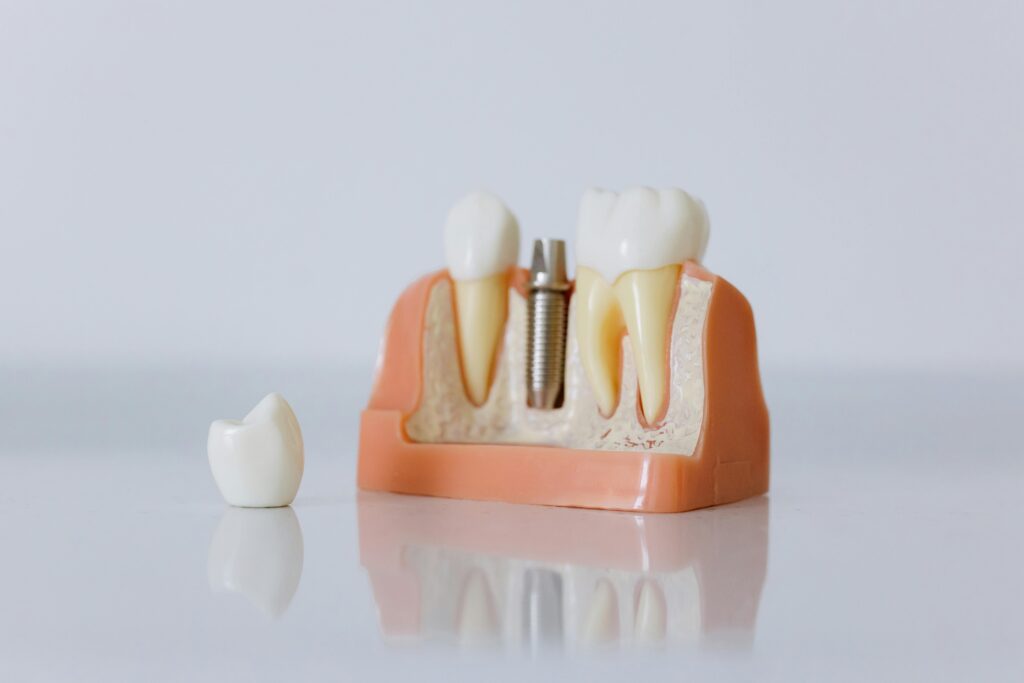
For many adults with missing teeth, dental implants offer the closest thing to getting a natural tooth back. They can restore chewing strength, support speech, and help preserve the shape of the jaw over time. If you also live with diabetes, the conversation becomes more nuanced, but not necessarily discouraging. Diabetes does not automatically rule out dental implants. What it does mean is that planning matters Dental Implants more, healing deserves closer attention, and blood sugar control becomes part of the treatment itself.
That distinction is important because many patients arrive with one of two assumptions. Some have been told, often years ago, that implants are simply off the table if they have diabetes. Others assume the process is exactly the same as it is for anyone else. The truth sits in the middle. In practice, many people with diabetes do well with Dental Implants, but success depends on factors that have less to do with the diagnosis alone and more to do with how well the condition is managed, what the mouth looks like at the outset, and whether the surgical and restorative phases are coordinated carefully.
A healthy implant is not just a piece of titanium in bone. It is a long-term partnership between the implant surface, the surrounding bone, the gum tissue, the bite forces placed on it, and the patient’s daily habits. Diabetes can influence several of those variables at once, especially wound healing and infection risk. That is why a thoughtful evaluation upfront tends to pay off later.
Why diabetes changes the implant conversation
Diabetes affects the body’s ability to regulate blood glucose, and when glucose levels remain elevated for long periods, several biological processes can be affected. Blood flow may be less efficient in small vessels. Inflammation can become more pronounced or linger longer than expected. The immune response may be less predictable. Tissue repair can slow down. None of this means healing cannot happen. It means healing may be less forgiving.
In implant dentistry, the early weeks matter. After an implant is placed, the body needs to build a strong bond between the implant surface and surrounding bone. This process, known as osseointegration, is what gives implants their stability. If healing is delayed, or if the area is exposed to infection or excessive force too early, the chance of complications rises.
Gum health also matters more than many patients realize. People with diabetes are generally at higher risk for periodontal disease, especially if blood sugar levels are not well controlled. Periodontal disease can lead to bone loss around natural teeth, and that same inflammatory environment can threaten the tissues around implants. In other words, the success of an implant is tied not only to the surgery itself, but to the health of the whole mouth.
I have seen this play out in very practical ways. One patient may have type 2 diabetes for ten years, keep regular medical appointments, know their A1C, maintain clean gums, and heal uneventfully after implant placement. Another may have similar age and medical history, but unstable glucose readings, untreated gum disease, dry mouth, and inconsistent home care. On paper, both “have diabetes.” Clinically, they are very different implant candidates.
Can people with diabetes get dental implants?
Yes, many can. That is the short answer, and it is supported by what clinicians see every day. Patients with well-controlled diabetes often move through implant treatment without major issues. Their healing may require a bit more monitoring, but the overall path can be very predictable.
The longer answer is that candidacy depends on control, not just diagnosis. Most dentists and oral surgeons want to understand whether diabetes is stable, whether medications are being taken consistently, whether there is a history of delayed healing or repeated infections, and whether the mouth is currently free of active disease. They may also want to know about smoking, since smoking and diabetes together create a more difficult healing environment than either factor alone.
A patient who has recently been diagnosed and is still trying to stabilize blood sugar may be advised to wait before proceeding. So might someone whose A1C is significantly elevated, especially if there are signs of poor oral health or a history of difficult healing after previous dental work. Delaying treatment can feel frustrating, but it is often the safer and more cost-effective choice. Placing an implant before the body is ready is not efficient care. It is gambling with a procedure that requires biological cooperation.
What your dentist or surgeon is looking for
When clinicians evaluate a patient with diabetes for Dental Implants, they are rarely asking a single yes-or-no question. They are assembling a risk picture. That process often includes a medical history review, conversation about glucose control, full-mouth periodontal evaluation, imaging of the jaw, and a discussion about expectations.
A1C values often come up here, though there is no universal magic number that applies identically to every patient or every practice. Some providers feel comfortable moving forward when diabetes is clearly controlled and there are no other major concerns. Others use more conservative thresholds. What matters most is the overall trend and the broader context. A stable patient with an A1C that has improved and is being monitored actively may be a better candidate than someone with a slightly lower number but erratic control, untreated inflammation, and poor follow-through.
The quality and volume of bone are also assessed carefully. Diabetes itself does not always mean there is inadequate bone, but long-term periodontal disease can reduce support in the jaw. If bone grafting is needed, that does not automatically disqualify the patient either. It does, however, add another layer of healing that should be considered in treatment planning.
Dry mouth is another issue worth mentioning. Some patients with diabetes, especially those on multiple medications, experience reduced saliva flow. Saliva helps buffer acids, control bacteria, and protect soft tissues. A dry mouth can make the whole oral environment less stable, which matters for both natural teeth and implants.
Blood sugar control before surgery matters more than many patients expect
A surprisingly common misconception is that glucose control only matters for major surgeries in hospitals, not for a single implant placed in a dental office. In reality, the mouth is a biologically active place, and implant surgery relies on the same fundamental healing processes as any other tissue procedure.
When blood sugar levels are consistently elevated, the early phase of healing can become less predictable. That can mean more inflammation, slower tissue closure, or higher susceptibility to infection. It can also influence comfort. Patients sometimes report prolonged tenderness or slower improvement than expected, especially when multiple risk factors stack together.
Good control before surgery does not guarantee a perfect outcome, but it shifts the odds in the right direction. It also makes aftercare easier. A patient who is already monitoring glucose, eating regularly, staying hydrated, and following medical guidance is usually better positioned to handle the temporary disruptions that can come with surgery, such as a softer diet or changes in meal timing.
This is why some dentists will coordinate with a patient’s primary care physician or endocrinologist before proceeding, particularly if the case is extensive or the diabetes history is complex. That collaboration is not a sign of alarm. It is a sign that the team is treating the whole person rather than just the missing tooth.
Healing timelines may be a little different
Patients often ask whether they will heal much more slowly than someone without diabetes. The answer is sometimes, but not always in a dramatic way. The classic implant timeline already includes a waiting period because bone integration takes time even under ideal conditions. In a healthy adult, that process may take several months depending on the site, the implant system, bone density, and whether grafting was done. In a patient with diabetes, the clinician may choose a more cautious timeline, especially if anything about healing appears sluggish.
That might mean waiting longer before attaching the final crown. It might also mean more follow-up visits to inspect the tissues, review hygiene, and confirm that the implant is integrating properly before progressing to the next phase. Patients sometimes interpret that as a setback, but it is often good judgment. When the biology asks for patience, listening to it usually protects the final result.
There is a practical side to this as well. If you depend on a temporary denture or a removable partial during treatment, ask how that appliance will be adjusted after surgery. Pressure from an ill-fitting temporary can irritate healing tissue and create problems that have nothing to do with diabetes itself. Small details like this can make a large difference in comfort and outcomes.
The role of gum health before and after implants
No implant exists in isolation. It lives in gum tissue and bone, and those tissues have to stay healthy for the implant to remain healthy. This is where diabetes and periodontal care intersect sharply.
If a patient has active gum disease, placing an implant before controlling that disease is risky. Bleeding gums, deep periodontal pockets, loose teeth, and chronic inflammation signal an environment that is not yet stable. In those cases, treatment usually begins with periodontal therapy, better plaque control, and reevaluation. Sometimes teeth that appear to be the main problem are not the first issue to address. The gums are.
After implants are placed, oral hygiene becomes even more important, not less. Implants do not decay, but the tissues around them can still become inflamed. If plaque accumulates, patients can develop peri-implant mucositis, which is inflammation limited to the soft tissue. Left untreated, that can progress to peri-implantitis, where bone around the implant is lost. Diabetes does not cause peri-implantitis on its own, but poor glycemic control can make inflammatory problems harder to manage.
This is one reason maintenance visits should not be treated as optional. A patient may feel perfectly fine while early tissue breakdown is beginning. Regular exams and professional cleanings help catch problems while they are still minor and reversible.
Lifestyle factors that can tilt the outcome
Diabetes rarely acts alone. Implant outcomes are shaped by clusters of habits and health factors, and some combinations are more concerning than others. Smoking is the classic example. Nicotine reduces blood flow, impairs healing, and increases implant risk on its own. When smoking is combined with poorly controlled diabetes, the margin for error narrows considerably.
Nighttime clenching or grinding can also complicate things. An implant does not have the same shock-absorbing ligament that a natural tooth does, so heavy bite forces matter. If a patient has diabetes, a history of gum disease, and severe bruxism, the dentist may recommend a night guard after the crown is placed. That recommendation is not cosmetic or optional. It protects the mechanical side of the investment.
Diet enters the picture too, though usually in ordinary, practical ways rather than dramatic restrictions. A steady eating routine after surgery helps with glucose management and recovery. Patients who skip meals, rely on sugary drinks when they cannot chew comfortably, or become dehydrated during recovery make the process harder on themselves.
Questions worth asking before you commit
Patients often focus on whether implants are possible, but a better conversation is whether implants are advisable right now and under what conditions. A thorough consultation should leave you with a clear sense of both opportunity and risk.
You should feel comfortable asking questions like these:
- Is my diabetes control adequate for this procedure at this time?
- Do you see any signs of gum disease or bone loss that need treatment first?
- Will I need a bone graft, and does that change healing expectations?
- How will you monitor healing given my medical history?
- What symptoms after surgery would make you want to see me sooner?
Those questions often reveal how carefully the case is being planned. They also help patients distinguish between a rushed sales conversation and a true clinical evaluation.
What the procedure may look like for a patient with diabetes
In many offices, the mechanics of implant placement are not dramatically different for a patient with diabetes, but the surrounding protocols may be more deliberate. There may be more emphasis on scheduling surgery at a time of day when meals and medications can remain consistent. Preoperative instructions may be tailored to avoid hypoglycemia if fasting is required for sedation. Some clinicians may use antimicrobial rinses, coordinate medication timing, or schedule shorter, less traumatic appointments if multiple procedures are needed.
For a single straightforward implant, the surgery itself is often brief. The dentist or surgeon numbs the area, prepares the bone site, and places the implant. If bone quality is soft or healing conditions are less than ideal, they may choose a more conservative loading protocol, meaning the implant is left undisturbed to heal rather than immediately supporting a temporary tooth under function.
That decision can disappoint patients who hoped for the fastest cosmetic solution, especially in visible areas. Still, restraint sometimes protects the long-term result. An immediate tooth is appealing, but not every implant site is suited for that approach, and diabetes can be one reason to slow down.
Warning signs after surgery should not be ignored
Some soreness, mild swelling, and minor oozing are common after implant placement. That said, patients with diabetes should be particularly attentive to symptoms that linger or worsen rather than gradually improving. Pain that intensifies after several days, drainage with a bad taste, significant swelling, fever, tissue breakdown, or persistent bleeding deserves prompt evaluation.
A subtle issue I have seen is the patient who waits because they do not want to “bother the office.” That instinct can turn a manageable soft tissue irritation into a more significant problem. Calling early is almost always the better choice. A small pressure sore from a temporary appliance, food impaction around the site, or plaque accumulation can often be corrected quickly if caught in time.
It is also wise to monitor glucose closely during the immediate recovery period, especially if eating habits change. A patient who normally eats crunchy, high-fiber foods may temporarily shift to softer foods that are easier to chew but more refined in carbohydrates. That can affect control in ways they did not anticipate.
Long-term success depends on maintenance, not just placement
One of the biggest misunderstandings about Dental Implants is that once the implant is placed and the crown is delivered, the work is done. In reality, the long game begins there. Implants can last many years, often decades, but they need surveillance. The crown can wear. The bite can change. The surrounding tissues can become inflamed if home care slips or medical control worsens.
For patients with diabetes, periodic review is especially worthwhile because oral health and metabolic health tend to influence each other. When glucose control deteriorates, gum inflammation often becomes harder to control. When oral inflammation is chronic, daily comfort and hygiene may decline. Neither system is isolated from the other.
The practical maintenance routine is not glamorous, but it is effective: brush thoroughly, clean between teeth and around implants every day, keep professional maintenance appointments, and address changes early. If your dentist recommends more frequent cleanings because of your medical history or past gum disease, that is usually grounded in prevention, not upselling.
When an implant may not be the best immediate option
It is worth stating plainly that sometimes the most professional answer is “not yet.” If a patient has significantly uncontrolled diabetes, active periodontal disease, poor oral hygiene, heavy smoking, and little ability to attend follow-up Dental Implants visits, the chances of implant trouble increase enough that a different plan may be safer. That could mean stabilizing medical care first, treating gum disease, extracting hopeless teeth and using a removable option temporarily, or rebuilding habits before moving on to implant surgery.
This can feel disappointing, especially if the patient is eager for a permanent solution. Yet postponement is often more respectful than proceeding under poor conditions. Dental implants are not trivial purchases, biologically or financially. A clinician who insists on a better foundation before surgery is usually protecting the patient from preventable failure.
The bottom line for patients with diabetes
If you have diabetes and are considering dental implants, the most useful question is not whether people with diabetes ever succeed with implants. Many do. The better question is whether your current health, oral condition, and daily habits support predictable healing right now.
Strong candidates are usually those who know their medical status, keep blood sugar reasonably controlled, treat gum disease before implant placement, follow postoperative instructions carefully, and commit to maintenance after the crown goes in. Patients who struggle in multiple areas may still become candidates, but often after some preparation.
That preparation is not a detour from treatment. It is treatment. Stabilizing the mouth, coordinating with medical care, and respecting healing biology are part of what makes implants successful. For patients with diabetes, that thoughtful groundwork often matters more than the brand of implant used or the speed of the timeline.
A well-placed implant in a well-managed patient can perform beautifully. The key is to approach the process with clear eyes, realistic expectations, and a team willing to match the treatment plan to the person rather than forcing the person into the plan.
Oaks Dental
5000 Parkway Calabasas Suite 308
Calabasas, CA 91302, United States
+1 818-431-2000
FAQ About Dental Implants
What is the downside of a dental implant?
Implants require surgery and a healing period that can last several months. Possible complications include infection, nerve or sinus injury, damage to nearby teeth and failure to bond with bone. Your dentist should assess your health, bone support and alternatives before recommending treatment.
What do dental implants typically cost?
There is no single price for every implant case. The number of teeth replaced, implant components, final restoration and any grafting or extractions affect the total. Request a written estimate covering every stage and confirm insurance benefits and out-of-pocket costs with the practice.
How long do tooth implants last?
An implant can provide long-term support and may last a lifetime with good oral hygiene and regular dental care, but this is not guaranteed. The crown or other restoration may need replacement sooner. Smoking, gum disease and some health conditions can reduce implant success.